Monitoring key diseases in winter oilseed rape crops
This season has seen a notable rise in winter oilseed rape cultivation, prompting vigilance against common diseases. Irish farmers must closely watch for light leaf spot and phoma stem canker to protect yields and ensure crop health this autumn and winter.
Source:
Teagasc Agricultural News
•
⏱️ 2 min read
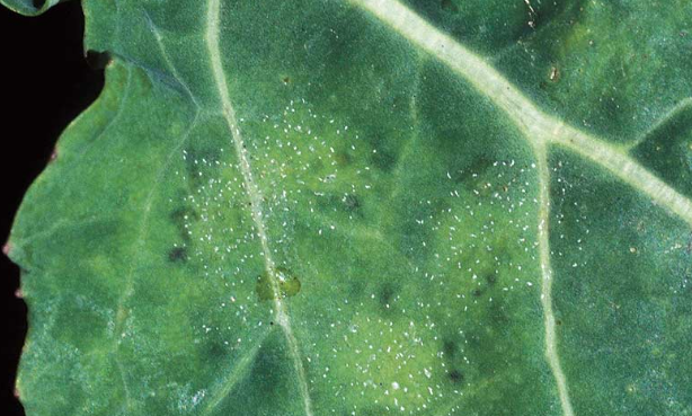
The area devoted to winter oilseed rape has expanded considerably this season, aided by early sowing, ample soil mineral nitrogen, and effective use of organic manures, which have produced large canopies across many fields. Despite good crop establishment, it remains vital to remain alert for the presence of light leaf spot and phoma stem canker during the autumn months.
Light leaf spot is the most detrimental disease affecting winter oilseed rape in Ireland, potentially reducing yields by up to 1 tonne per hectare in susceptible varieties. Resistance ratings have improved among recommended varieties, with Ambassador rated 6, Aurelia 7, and LG Aviron, LG Auckland, and the provisionally recommended LG Armada rated at 8. Nonetheless, robust resistance does not eliminate the need for regular crop inspection and appropriate control measures.
Symptoms can be subtle early in the season; look for tiny white spots that resemble grains of salt on affected leaves. As the infection progresses, leaves may curl, become brittle, and crack. If identification proves difficult, placing leaves in a warm plastic bag for one to two days can encourage sporulation and aid detection. Early-sown crops with large canopies require particular attention, especially in mild, wet conditions which favour disease spread via rain splash. A two-spray programme is recommended, targeting late October or November and early spring, using a prothioconazole-based fungicide to suppress infection and manage phoma stem canker concurrently. Additionally, Caryx applied at 0.7L/ha can help regulate excessively large canopies, with best results in spring applications. Continued monitoring throughout winter is essential, with follow-up treatments applied promptly if light leaf spot appears.
Phoma stem canker manifests as greyish spots with small black dots called pycnidia on leaves. The primary damage arises when the infection moves into the stem, causing cankers that disrupt water and nutrient flow, leading to premature ripening. Larger plants tend to resist stem infection longer, while smaller crops need closer scrutiny, particularly during mild weather. Treatment should be considered once 10-20% of plants are affected, leaning towards the lower threshold for small crops and higher for larger canopies. If phoma reaches critical levels before the scheduled light leaf spot spray, treatment should be brought forward to mitigate damage.
0 views