Key dates and actions for 2026 beef welfare scheme
A new video by Teagasc advisor Edward Egan outlines essential deadlines and requirements for the 2026 Beef Welfare Scheme. The guidance highlights mandatory and optional actions, payment details, and the importance of record-keeping for farmers across Ireland.
Source:
Teagasc Agricultural News
•
⏱️ 1 min read
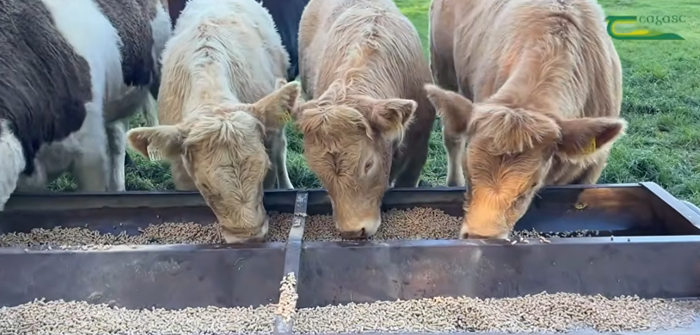
In recent years, it has become common for beef farmers to engage in two or three different schemes concurrently, each containing several measures to be completed within specified timeframes. To assist farmers, Teagasc Drystock Advisor Edward Egan has created a concise five-minute video summarising the key components and deadlines of the 2026 Beef Welfare Scheme.
In the video’s second section, Egan emphasises the importance of carefully reviewing the application form, which clearly details the chosen measures and the number of animals involved. Under the scheme, farmers receive €35 per eligible calf for completing the mandatory meal-feeding action, with payments capped at 45 calves. Optional actions include vaccination, offering up to €15 per calf, and faecal or forage testing, which pays €25 per calf.
Farmers are reminded to retain all relevant documentation, such as receipts for meal purchases, vaccinations, and testing if these options are selected. Maintaining accurate records is vital, as participants must provide them to the Department of Agriculture, Food and the Marine upon request. Proper record-keeping ensures smooth processing of applications and payments. Edward Egan serves as a Drystock Advisor in the Teagasc Meath, Louth, and Dublin Advisory Region.
1 views