Farmers urged to complete fodder budgets amid drought
Irish farmers face ongoing challenges due to drought and rising costs, making fodder budgeting crucial this year. Experts highlight regional grass growth disparities and recommend strategic feed management to safeguard winter stock and farm profitability.
Source:
Teagasc Agricultural News
•
⏱️ 2 min read
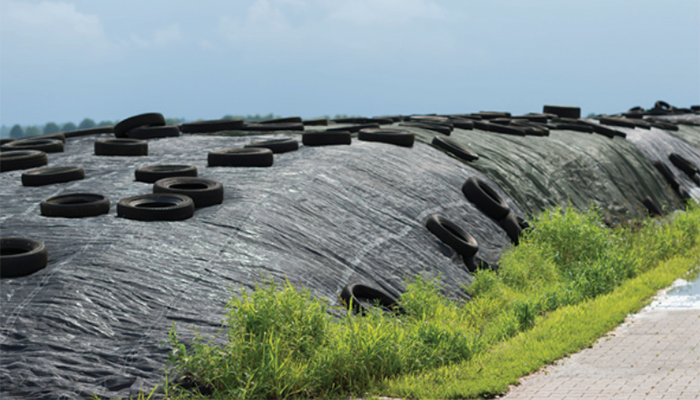
This year has posed significant difficulties for Irish farmers, with drought, rising input costs, and volatile conditions severely impacting fodder availability and feeding strategies. Keith Fahy, Teagasc Drystock Advisor, emphasises the importance of completing a fodder budget to manage resources effectively through the coming winter.
Since 2020, agriculture has encountered unprecedented obstacles including the COVID pandemic, geopolitical tensions, regulatory changes, and now climate-related stresses such as drought. The summer months of July and August 2026 were particularly challenging due to scant rainfall, reduced grass growth, and increased reliance on costly silage and meal feeds. Farmers are encouraged to seek support from advisors or professionals if feeling overwhelmed by these pressures.
Farmers can calculate their winter feed requirements by considering animal type, weight, forage quality, and feeding practices. For example, a 300 kg weanling consuming 2% of its body weight in dry matter daily will need roughly three bales of silage for the winter, assuming meal supplementation. Utilising tools like the Teagasc grass growth prediction, developed by Elodie Ruelle, reveals marked regional differences—some western farms grew up to ten times more grass than those in the east. With the fertiliser application deadline approaching on 14 September, maximising autumn grass growth is vital. Strategic decisions such as selling non-productive animals and scanning cows to reduce feed demand can help ease winter burdens and protect farm margins.
0 views