Exploring the potential of forest gardens on Irish farms
Teagasc recently hosted two informative walks to showcase the benefits of the new forest garden planting category. These events provided landowners with practical insights into integrating food-producing understories with traditional woodland layers on their own properties.
Source:
Teagasc Agricultural News
•
⏱️ 2 min read
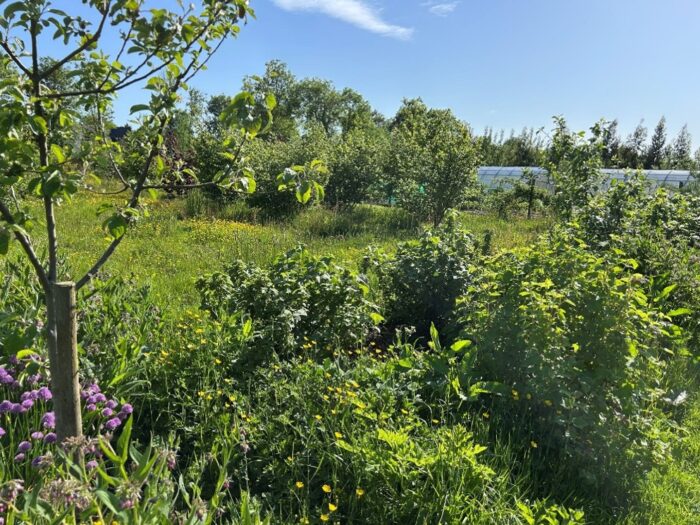
The Teagasc Forestry Development Department recently hosted two successful forest garden walks, offering attendees a firsthand look at the opportunities presented by the new forest type category, FT14. This initiative, part of the Department of Agriculture, Food and the Marine’s Afforestation Scheme, encourages landowners to work in harmony with nature by establishing diverse, low-maintenance systems on farms, smallholdings, and community lands.
Forestry Liaison Officer Paul Butler guided participants through sites in Louisburgh, Co Mayo, and Cahir, Co Tipperary, where seven-year-old forest gardens provided a tangible example of long-term potential. These sessions facilitated deep discussions regarding site variability, species selection, and the vital role of individual landowner preferences in shaping the final landscape design. The events emphasised how these spaces combine an overstory of timber trees with a productive understory of fruit, nuts, herbs, and vegetables.
Key design features observed during the walks included a multi-layered approach, such as integrating lavender and crab apple with birch and Scots pine. Participants explored the practical benefits of this method, which can incorporate everything from honey production and blackcurrants to nitrogen-fixing alder and willow for shelter. Further information regarding the application process and design guidelines for these planting options is available on the official Teagasc website.
0 views