Essential autumn management strategies for Irish beef farms
Teagasc has outlined vital autumn management guidelines to help farmers prepare livestock and land for the upcoming winter housing season. The advisory covers critical targets for paddock closing, animal health protocols, and essential environmental compliance measures.
Source:
Teagasc Agricultural News
•
⏱️ 1 min read
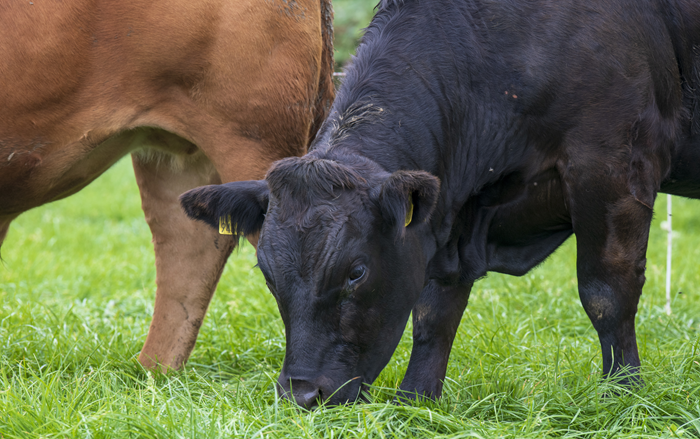
As winter housing approaches across the country, Teagasc has released timely guidance to help drystock farmers optimise farm performance and safeguard animal health. The advisory emphasises strategic paddock management, noting that closing rotations should begin early to guarantee adequate grass supplies for next spring. Drier holdings are advised to have sixty percent of their grazing area closed by the end of October, while heavier farms should bring these crucial targets forward by up to two weeks.
Attention must also be paid to vital livestock routines, including the weaning of spring-born suckler calves and preventative health treatments. Experts stress that implementing targeted vaccination and parasite control programmes represents a minimal investment that yields significant returns by preventing costly respiratory ailments. Furthermore, farmers are encouraged to inspect empty housing facilities immediately to carry out necessary repairs, prevent overcrowding, and manage yard runoff effectively in compliance with environmental regulations.
Participants in the Suckler Carbon Efficiency Programme must also remain vigilant regarding autumn calving quotas and strict registration deadlines to avoid financial penalties. Growers can access further resources, detailed factsheets, and regular updates through the official Teagasc website or by consulting local agricultural advisors.
0 views