Balancing insecticide use for BYDV control in cereals
Teagasc experts examine the challenges of managing Barley Yellow Dwarf Virus in Irish winter cereals. Research highlights the complexity of insecticide timing, crop variety, and regional factors that influence disease control and yield outcomes.
Source:
Teagasc Agricultural News
•
⏱️ 2 min read
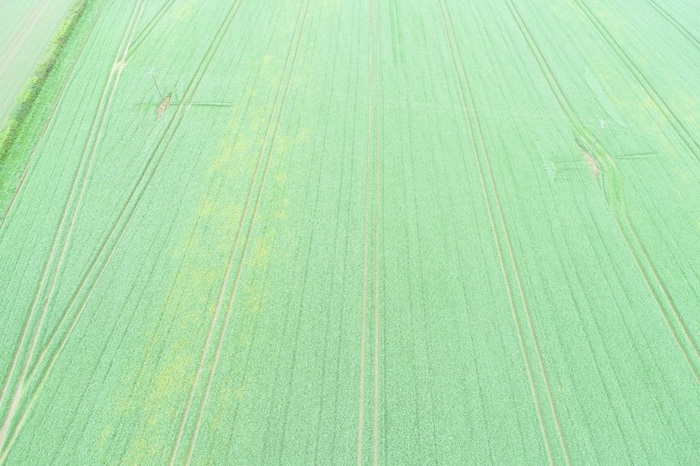
Teagasc Crops Specialist Shay Phelan has highlighted the ongoing debate among growers regarding the application of insecticides to combat Barley Yellow Dwarf Virus (BYDV) in winter cereals. Although most winter crops have been drilled and treated with pre-emergence herbicides, the question remains whether applying insecticides now will effectively protect yields, especially given the varied risk factors such as region, sowing date, and weather.
BYDV was a notable contributor to poor yields in winter barley during the recent harvest, with coastal areas and milder autumn conditions increasing aphid survival and virus transmission. Aphids carry the virus on their mouthparts, transmitting it immediately upon feeding, and once infected, plants cannot be cured. While aphicides can reduce aphid populations, they are not selective and may harm beneficial insects, and aphids can migrate into treated fields from surrounding areas.
Research led by Tom Kennedy in the 1990s and 2000s recommended insecticide application in early November at the 2-3 leaf stage for October-planted crops, coinciding with cooler temperatures that reduce aphid movement. More recent studies by Dr Louise McNamara support a single insecticide application as effective but note that tolerant cereal varieties suffer less yield loss despite showing virus symptoms. Additionally, her findings suggest that January treatments can be as effective as November sprays, with no significant pyrethroid resistance detected. Ultimately, factors such as variety, sowing timing, location, and growers’ risk tolerance all influence the decision to treat, with final results becoming clear by next spring.
0 views