Exploring Ireland’s Halloween nature traditions
This Halloween, Teagasc highlights the natural stories behind pumpkins, bats and turnips that shape Irish seasonal customs. Experts reveal cultivation challenges, bat ecology, and traditional uses, enriching our understanding of these iconic elements in Ireland’s autumn landscape.
Source:
Teagasc Agricultural News
•
⏱️ 2 min read
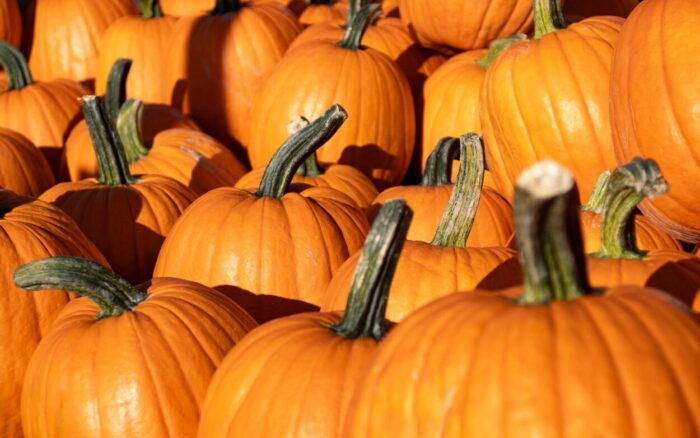
As Halloween approaches, Teagasc Daily delves into the natural heritage linked to three classic seasonal symbols: pumpkins, bats and turnips. These elements carry rich stories that intertwine agricultural practices, wildlife, and cultural traditions unique to Ireland.
Pumpkins, originally from the Americas, are a challenging crop to grow here due to our cooler climate. They require careful management, including starting plants under cover and transplanting after frost risks pass. A warm summer benefits the crop, with harvesting typically occurring in September once the foliage dies back and fruit ripens. For growers seeking detailed guidance, Teagasc specialists Eoin Sweetman and Andy Whelton, alongside horticultural consultant Chris Creed, share expert advice in a comprehensive Pumpkin Production Webinar covering everything from varieties to marketing.
Turnips have long held significance in Irish Halloween customs, predating pumpkin carving with their use as lanterns to ward off spirits. They are a fast-growing, versatile vegetable available in multiple colours and sizes, suitable for both culinary and traditional decorative purposes. Meanwhile, bats, often misunderstood due to folklore and vampire myths popularised by Bram Stoker, are vital to Ireland’s ecosystems. Ireland hosts nine bat species, including the tiny pipistrelle, which can consume thousands of insects nightly, aiding natural pest control. Teagasc Kildalton College’s surveys highlight the importance of diverse habitats such as ponds and hedgerows for bat activity. Organisations like Bat Conservation Ireland promote bat conservation through monitoring programmes and educational outreach, encouraging public engagement with these fascinating mammals. On the Environment Edge podcast, Éanna Ní Lamhna explores bat myths and their environmental roles, emphasising how farmers and communities can support bat habitats.
For those interested in deepening their knowledge of these seasonal icons and their ecological significance, Teagasc Daily and associated resources offer valuable insights and practical advice.
0 views