Uneven nitrogen use challenges Irish dairy farms
Nitrogen application across Irish dairy farms varies significantly between fields, leading to inefficiencies and environmental concerns. A Teagasc study across 15 farms in the south and southeast highlights opportunities to optimise fertiliser use and improve sustainability at field level.
Source:
Teagasc Agricultural News
•
⏱️ 2 min read
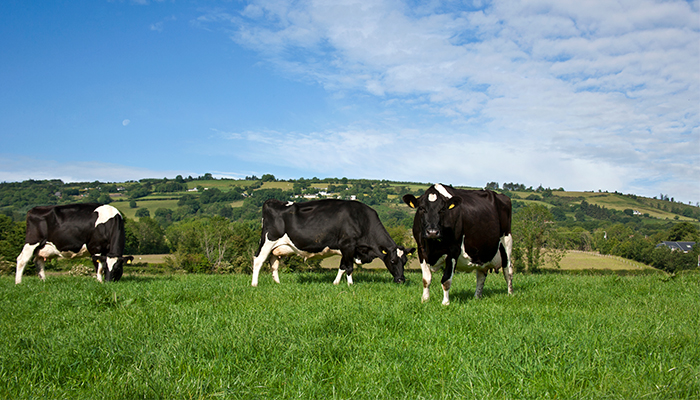
Chemical and organic nitrogen fertilisers may be applied uniformly across farms, but their uptake by soil and grass is often uneven. This disparity is influenced by differing grazing frequencies and silage cuts across fields, causing some areas to accumulate excess nitrogen while others suffer deficits, ultimately affecting grass growth and farm profitability.
A recent Teagasc study published in Agricultural Systems analysed nitrogen balances on 15 dairy farms in Cork, Tipperary, and Wexford over three years (2015–2017). The research revealed that fields on the milking platform—land closest to the parlour used intensively for grazing—had similarly high nitrogen surpluses as less intensively grazed fields outside this zone, indicating significant inefficiencies in nitrogen management.
Additional findings showed no reduction in fertiliser use on clover-containing swards despite their nitrogen-fixing capability, suggesting potential for decreased chemical inputs. Older reseeded fields (5–10 years) received more fertiliser but exhibited lower nitrogen use efficiency compared to younger swards. Furthermore, only 6% of fields sampled had optimal soil pH, phosphorus, and potassium levels, highlighting room for improved soil fertility to enhance nitrogen utilisation. These insights support the new requirements under Ireland’s Sixth Nitrates Action Programme, which mandates nitrogen balance calculations and nutrient distribution assessments to mitigate environmental impact and improve farm economics.
0 views