How to maintain excellent milk quality in 2026
Milk quality is generally stable this year despite challenges from drought and adverse weather conditions. Expert advisor Raymond Ryan shares practical tips for farmers in Limerick and Clare to manage milk hygiene and production effectively.
Source:
Teagasc Agricultural News
•
⏱️ 1 min read
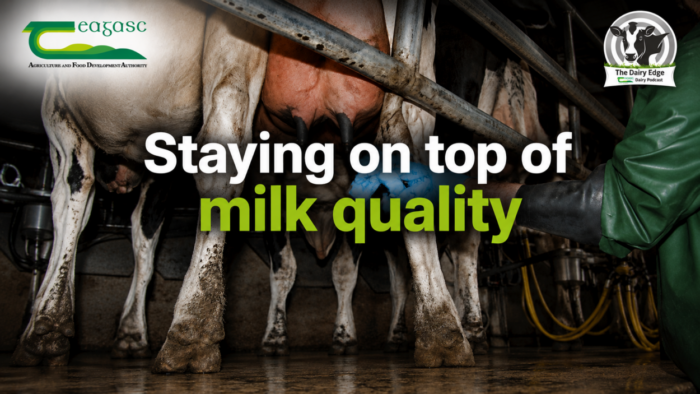
Raymond Ryan, Milk Quality Advisor for the Limerick and Clare regions with Dairygold, recently appeared on the Dairy Edge Podcast hosted by Stuart Childs to discuss maintaining high standards of milk quality in 2026.
He noted that overall milk quality metrics such as cell count and total bacterial count (TBC) have remained consistent with previous years. However, drought and difficult weather have caused some localised issues, particularly related to dirty conditions which increase thermoduric bacteria risks. Ryan emphasised the importance of keeping cows and parlours clean, managing sacrifice paddocks or cubicles carefully, and dry-wiping cows prior to milking.
Additionally, he highlighted the significance of routine machine maintenance, including liners and rubberware checks. Farmers are advised to monitor cell counts and TBC levels closely, respond swiftly to any increases, ensure cows receive adequate water and nutrition, remove cows with persistently high cell counts when necessary, and maintain thorough plant washing using proper hot water temperatures, chemicals, and turbulence to ensure optimal milk quality.
0 views