Supplementary feed makes up half dairy diets in drought
Dairy cows in the most drought-affected regions are receiving nearly half their diet from supplementary feeds amid sharply reduced grass growth. This development, revealed at a national agriculture meeting, highlights increased costs and concerns over winter fodder shortages in Leinster and Munster.
Source:
Teagasc Agricultural News
•
⏱️ 2 min read
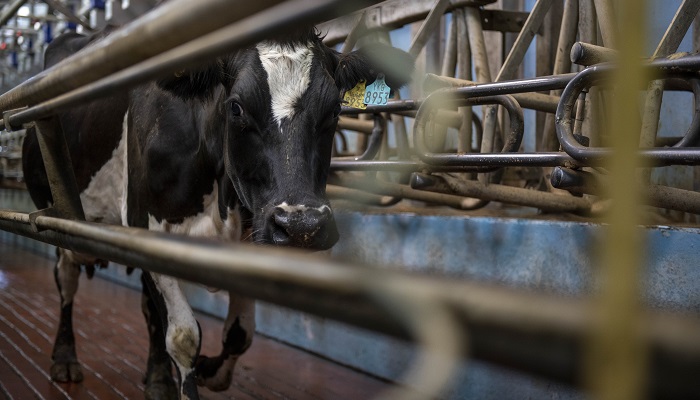
Silage and concentrate feeds now represent almost 50% of the diet for dairy cows on farms hardest hit by drought conditions, according to data presented at a National Fodder Meeting convened by Minister for Agriculture, Food and the Marine, Martin Heydon TD, on 18 August 2026.
Dr Michael O’Donovan, Head of the Grassland Science Department at Teagasc, reported a significant downturn in grass growth, particularly across Leinster and Munster. Although the annual grass growth averaged 8.2 tonnes dry matter per hectare for farms participating in PastureBase Ireland—close to the five-year average—a marked decline has been observed since mid-July, necessitating increased reliance on supplementary feeding.
The current feeding regime involves approximately 4-5kg of silage and 5kg of concentrates per cow daily, contrasting with normal rates of 16kg grass plus 3kg concentrates. This shift is driving additional costs of around €1.90 per cow per day, equating to roughly €1,330 weekly for a 100-cow herd, with the most severely impacted farmers facing increases of €3.00 to €3.50 daily. Furthermore, preliminary fodder budget data reveal that average winter feed supplies stand at just over four months, with 14% of farms experiencing significant shortfalls—a marked increase compared to typical years. Dr O’Donovan advised farmers to maintain updated fodder budgets via PastureBase Ireland to manage supplies effectively through the ongoing drought challenges.
0 views