Preparing weanlings ahead of autumn sales
Farmers are advised to plan carefully for the upcoming weanling sales in September and October amid challenging forage conditions. The 2026 Beef Welfare Scheme offers financial support for meal feeding and vaccination to improve calf health and sale value across Ireland.
Source:
Teagasc Agricultural News
•
⏱️ 2 min read
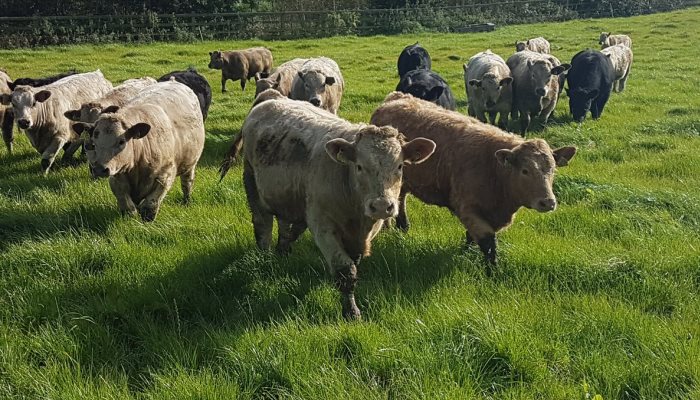
Attention now focuses on readying weanlings for the September and October sales, with most farms having already chosen their target markets. Enda Neylan, Teagasc Advisor, emphasises the importance of completing a silage and forage budget given the difficult grass growth in 2026, as this will help farmers assess their stock levels and make informed decisions about selling young stock early to reduce winter feed demand.
Where grass availability is limited, some farmers have begun supplementing calves with concentrates to maintain daily live-weight gains. Neylan highlights that feeding concentrates both before and after weaning supports rumen development and eases the transition from milk. Creep grazing before full separation from cows allows calves to access better grass while weakening the maternal bond, which helps reduce weaning stress.
The 2026 Beef Welfare Scheme, launching in mid-August, incentivises suckler farmers to meal feed calves around weaning and vaccinate against Clostridial diseases, calf pneumonia, and Blue Tongue. Meal feeding is compulsory for participants, while vaccination is optional but encouraged after consulting a veterinary surgeon. Eligible calves must be born between 1 July 2025 and 30 June 2026, with feeding commencing four weeks pre-weaning and continuing for two weeks post-weaning. The scheme provides up to €35 per calf for meal feeding and €15 per calf for vaccination, capped at 45 calves, potentially offering payments up to €2,250. Applications open via Agfood or through advisors, providing much-needed support for farmers managing calf welfare this autumn.
0 views