Improving ventilation in cattle housing for winter
The Teagasc Future Beef team highlights the critical role of ventilation in cattle sheds to prevent respiratory illness and poor air quality. Their guidance helps farmers optimise airflow ahead of the winter housing season across Irish farms.
Source:
Teagasc Agricultural News
•
⏱️ 2 min read
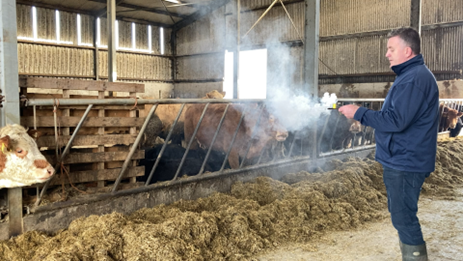
Proper ventilation is vital in cattle housing to remove moisture, heat, dust, pathogens, and harmful gases such as ammonia. With the onset of winter housing, the Teagasc Future Beef team has issued a comprehensive factsheet aimed at helping farmers evaluate and enhance ventilation within existing cattle sheds.
Risks of poor ventilation
The team warns that inadequate airflow significantly raises the risk of respiratory diseases, especially in young calves and weanlings. Poor ventilation also encourages condensation, damp bedding, mould growth, and results in wet coats and degraded air quality, all of which impact animal health adversely.
Farmers are urged to look out for signs indicating ventilation problems, including:
- Condensation on roofs or walls
- Presence of mould
- Damp bedding
- Strong or stale odours
- Cattle with wet or dirty coats
Factors influencing airflow and improvement tips
Ventilation efficiency depends heavily on shed design features such as inlet and outlet dimensions, eave and ridge heights, roof pitch, shed width, and the influence of surrounding structures like buildings, trees, or hedgerows. Key recommendations include:- Air inlets should ideally be twice the size of outlets
- Continuous openings along eaves to promote even airflow
- A continuous open ridge to allow warm, moist air to escape
- Roof pitches of 12-15° or greater to encourage natural upward air movement
0 views