Amino acid needs vary with pig farm hygiene
Research reveals that piglets require higher levels of specific amino acids when raised in poor hygiene conditions to support gut health and growth. This study, conducted in Ireland, highlights the importance of diet adjustments to improve piglet performance on farms with suboptimal cleanliness.
Source:
Teagasc Agricultural News
•
⏱️ 2 min read
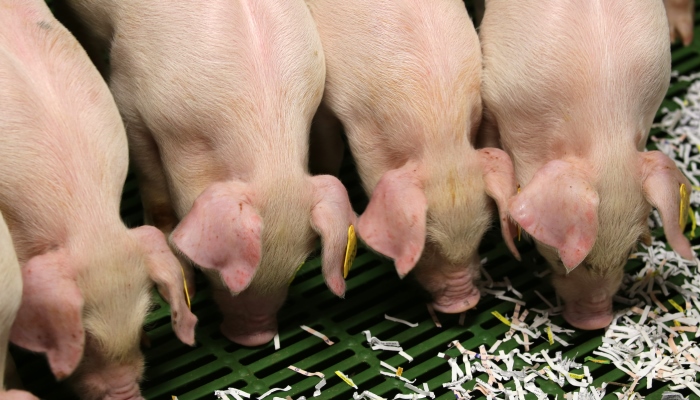
Pigs depend on amino acids, the fundamental components of protein, rather than crude protein alone. Peadar Lawlor, a Teagasc Research Officer, explains that the requirement for amino acids can shift significantly based on the hygiene standards maintained on farms.
Pig nutrition must carefully balance ten essential amino acids—including lysine, methionine, threonine, tryptophan, and others—since pigs cannot synthesise them in sufficient quantities for optimal health, growth, and milk production. While these amino acids are commonly considered for muscle development, many also play crucial roles in maintaining gut health. For example, threonine is vital for producing mucin, which protects the intestinal lining, while sulfur-containing amino acids like methionine and cysteine support intestinal structure and beneficial gut bacteria. Tryptophan similarly contributes to reducing diarrhoea and strengthening immunity.
A recent study led by researcher Penteado Rosa Gonçalves examined how piglets housed under good versus poor hygiene conditions responded to diets with standard amino acid levels compared to those with a 20% increase in threonine, methionine plus cysteine, and tryptophan relative to lysine. Results showed no benefit from the increased amino acids in clean environments, but piglets in poor hygiene settings exhibited improved weight gain, feed intake, and muscle preservation when given the enriched diet. The researchers advise boosting these key amino acids by 20% in post-weaning diets for piglets exposed to less hygienic or mixed-management conditions, while recommending standard levels for well-managed herds to avoid unnecessary feed costs.
0 views