Why sow parity mix matters for profit
Teagasc says the makeup of a sow herd can shape productivity, replacement spending and overall margins. The most profitable females are usually in parities three to five, after the initial costs have been recovered, while older animals can bring more health and fertility problems.
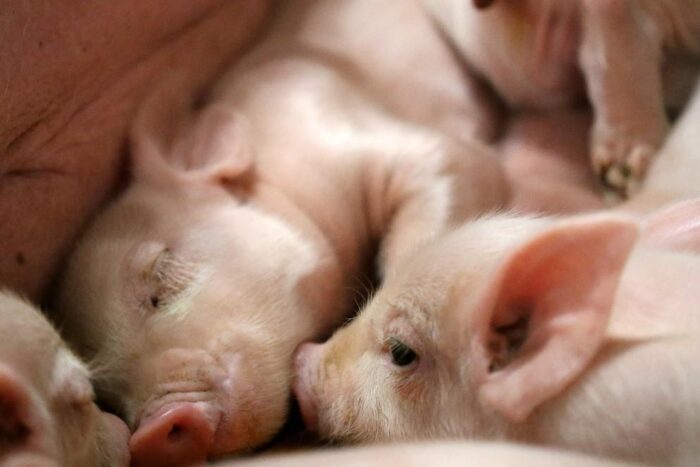
A sow’s third or fourth parity is usually the point at which her costs have been covered, according to Teagasc Pig and Poultry Department. That makes the balance of the breeding herd an important figure to review, not just piglet numbers at birth or weaning.
Melissa Cupido said a good parity distribution can lift herd productivity, make better use of replacement gilts, reduce replacement costs and improve profitability. The aim is not to keep sows for as long as possible, but for as long as their health, performance and welfare justify it.
Older sows can become less profitable. Teagasc said they can face more lameness, weaker fertility, lower milk output and more health problems, with born alive numbers declining after parity five.
Parities three to five are often the strongest stage of a sow’s life. They have passed breakeven, are generally at peak reproductive performance and are usually easier to manage on farm.
Teagasc is also set to run a Sow Management workshop early next year, following a recent gilt management session.