economy
Agriculture & Farming
Understanding soil diversity for better farm management practices
Teagasc specialist Dr Veronica Nyhan is highlighting the critical importance of soil texture and composition during this year's Soil Health Week. Farmers are encouraged to assess their land to better understand individual strengths and local environmental vulnerabilities.
Source:
Teagasc Agricultural News
•
⏱️ 2 min read
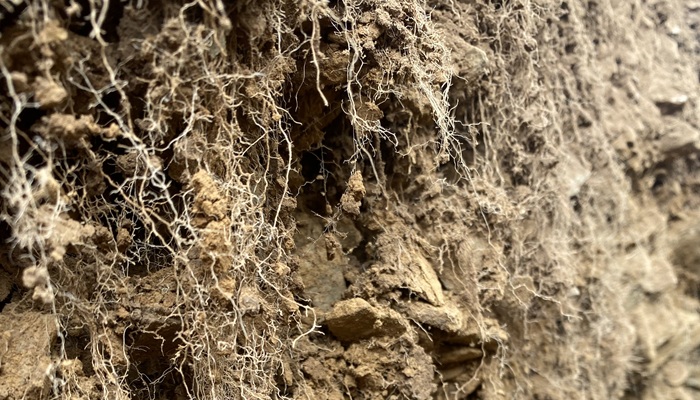
Ireland boasts a remarkably diverse landscape, with over 200 distinct soil types often found within a single farm holding. During Soil Health Week, Teagasc specialist Dr Veronica Nyhan has emphasised that understanding the specific texture of your soil—determined by the proportions of sand, silt, and clay—is essential for effective land management. While texture is a fixed characteristic that cannot be altered, recognising how different soil types retain nutrients or water allows farmers to tailor their approach to suit the unique needs of their land.
Practical assessment is straightforward and does not require complex equipment. By digging a shallow pit of 40–50cm, landowners can observe crucial indicators such as drainage quality and the presence of mottling, which often signals a fluctuating water table. Dr Nyhan suggests that this physical inspection, combined with an appreciation for the local landscape, elevation, and historical field performance, provides a far more accurate picture of soil health than national maps alone can offer.
To mark these efforts, Teagasc will host Soil Health Week from Monday, 21 September, to Friday, 25 September. The programme will feature a series of farm walks, workshops, and practical demonstrations designed to engage farmers, researchers, and the wider public on the necessity of sustainable soil stewardship. Further information regarding the schedule of events and educational resources is available on the official Teagasc website.
Practical assessment is straightforward and does not require complex equipment. By digging a shallow pit of 40–50cm, landowners can observe crucial indicators such as drainage quality and the presence of mottling, which often signals a fluctuating water table. Dr Nyhan suggests that this physical inspection, combined with an appreciation for the local landscape, elevation, and historical field performance, provides a far more accurate picture of soil health than national maps alone can offer.
To mark these efforts, Teagasc will host Soil Health Week from Monday, 21 September, to Friday, 25 September. The programme will feature a series of farm walks, workshops, and practical demonstrations designed to engage farmers, researchers, and the wider public on the necessity of sustainable soil stewardship. Further information regarding the schedule of events and educational resources is available on the official Teagasc website.