Teagasc outlines vital strategies to extend autumn grazing season
Recent rainfall has sparked a remarkable rebound in national grass growth rates following a prolonged dry spell. Agricultural specialists are urging producers to utilise pasture budgets and organic nutrients to secure crucial winter feed reserves.
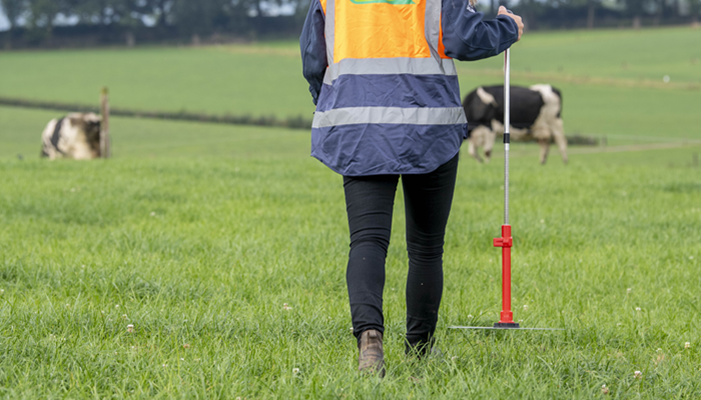
Recent wet weather following a prolonged dry spell has triggered a significant recovery in grass growth rates across the country, according to latest figures from the national database. Average growth rates exceeding 60kg of dry matter per hectare daily were recorded, with predictive models indicating these favourable conditions will likely persist throughout the coming weeks. Experts note that moisture returning to warm soils has doubled growth figures since mid-August, offering a timely opportunity for agricultural producers.
In response to these improving conditions, the advisory agency is encouraging producers to walk their lands and prioritise autumn grassland management targets. Data from recent fodder assessments indicates that surveyed holdings currently hold an average of 4.3 months of winter feed reserves. Specialists recommend completing an autumn grass budget to guide supplementation decisions, maintain a 35-day rotation length, and target an average farm cover of over 1,000kg of dry matter per hectare by the beginning of October.
With the regulatory deadline for chemical fertiliser application falling on September 14, coordinators advise spreading only necessary amounts to sustain swards alongside mineralised nitrogen. Producers are also encouraged to utilise organic alternatives ahead of the upcoming slurry closing date on October 1 to maximise nutrient efficiency while safeguarding local water quality. Further guidance and updates remain accessible via the official Teagasc website and advisory channels.