Soil sampling vital for farmers ahead of 2027 season
Teagasc experts urge agricultural producers to update their soil tests this autumn to optimise lime and fertiliser applications for the upcoming year. Ensuring accurate nutrient management supports crop yields while complying with essential regulatory standards.
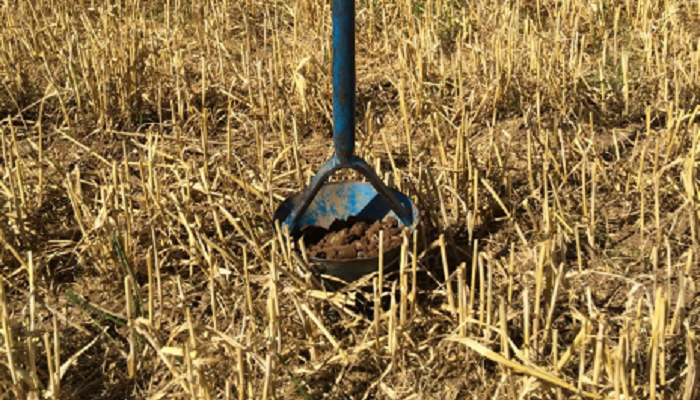
As the agricultural sector reflects on a challenging growing season marked by variable weather conditions, soil specialists are urging producers to prioritise autumn soil sampling. Taking stock of soil fertility now ensures that lime and fertiliser decisions for the coming year are grounded in precise field-by-field requirements rather than guesswork. Soil tests provide a clear picture of pH levels alongside phosphorus and potassium content, allowing growers to target inputs effectively and avoid unnecessary expenditure on unneeded applications.
Beyond agronomic benefits, valid soil testing carries significant regulatory importance for Irish holdings. Farms operating above specific grassland stocking rates, as well as land dedicated to cereal production, are legally prohibited from applying chemical phosphorus without current soil test results on record. Producers can utilise digital mapping tools such as the Teagasc NMP Online platform to easily identify fields where samples are approaching expiry or have already lapsed, streamlining their autumn management programme alongside local advisors.
Maintaining correct soil pH remains a cornerstone of efficient nutrient utilisation, with research demonstrating substantial economic and yield returns on both grassland and tillage enterprises. With all fertiliser transactions now officially tracked through the National Fertiliser Database, precision has never been more critical for compliance. Growers are encouraged to consult their agricultural advisors and access further guidance available on the official website to secure their nutrient allowances for the next season.