Soil health key to sustainable farming future
Healthy soils underpin farm productivity and environmental resilience, experts warn during Soil Health Week 2026. Practical measures to protect and enhance soil quality will be showcased across Ireland from Monday.
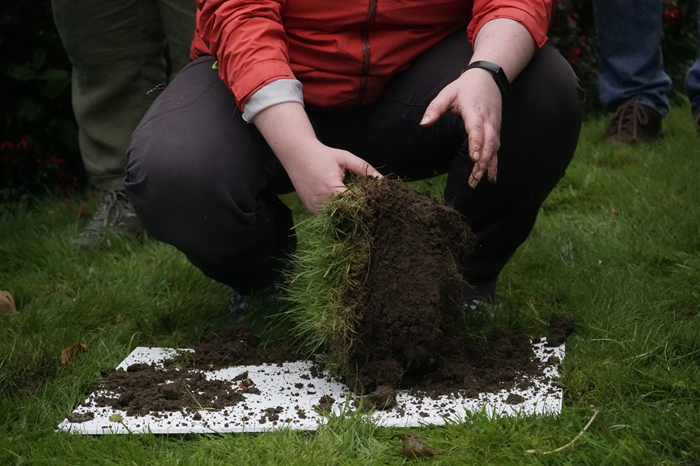
Soils are the silent backbone of Irish agriculture, supporting everything from food production to climate resilience. As Soil Health Week 2026 begins on Monday, 21 September, Dr. Fiona Brennan of Teagasc’s Soil Biology Research Unit at Johnstown Castle will highlight the critical role healthy soils play in sustaining our farms and rural communities. Healthy soils cycle nutrients, store carbon and filter water, creating the foundation for productive crops and livestock while protecting the environment for future generations.
Irish soils are as diverse as the landscapes they occupy, with varying textures, drainage and fertility levels. This diversity demands tailored management approaches rather than one-size-fits-all solutions. Regular soil testing for structure, pH, nutrients and organic matter provides the data farmers need to make informed decisions. Compaction, erosion and excessive disturbance can damage soil structure, restrict root growth and increase water run-off, while soil biodiversity—from earthworms to fungi—acts as nature’s workforce, enhancing soil health and resilience.
Teagasc’s Soil Health Week will take place from 21 to 25 September 2026, offering practical demonstrations, farm walks and workshops across Ireland. The programme will focus on actionable steps like soil sampling, balanced nutrient management and avoiding compaction. Farmers can access free guidance in both English and Irish through the Farming for Soil Health handbook, available on the Teagasc website. The message is clear: investing in soil health today safeguards farm productivity and sustainability for tomorrow.