Protecting soil structure through smart agricultural machinery management
Teagasc experts outline vital strategies for preventing and addressing compaction caused by heavy machinery and livestock traffic. The guidance coincides with national events designed to emphasise sustainable farming practices and environmental health.
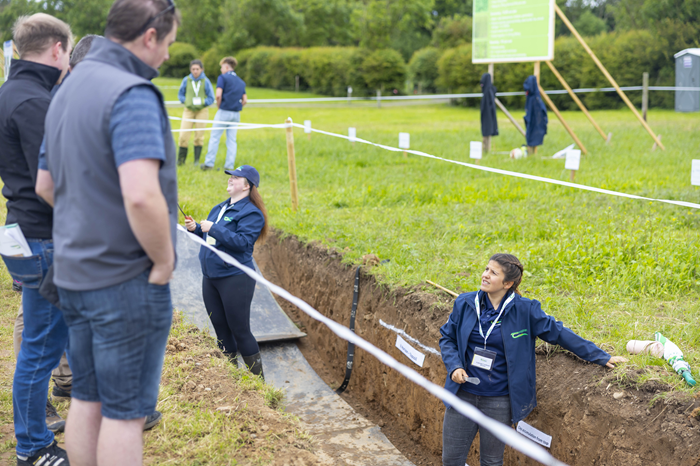
Soil structure plays a fundamental role in agricultural productivity, influencing crop establishment, root development, and water infiltration. When this delicate matrix is damaged by heavy machinery or livestock traffic, particularly during wet weather, soils lose resilience against both drought and heavy rainfall. In Ireland, physical compaction remains the most widespread form of degradation, making proactive prevention far more effective and economical than attempting subsequent remediation.
To safeguard vulnerable ground, farmers should assess subsurface conditions before undertaking cultivation and minimise heavy vehicle traffic when soils are saturated. Implementing protective measures such as lower tyre pressures, wider tyres, and controlled traffic systems helps distribute weight evenly across fields. Furthermore, careful management of headlands and minimising tillage intensity will protect soil organisms and reduce overall operating expenses over time.
Where compaction has already occurred, thorough diagnosis is essential to determine the depth and severity of the damage before selecting a remedy. While shallow structural issues often resolve naturally through biological activity and root growth, deeper layers may require careful mechanical loosening. Teagasc recently hosted Soil Health Week to highlight these critical practices through farm walks, practical demonstrations, and workshops available on the official website.