Pig farms face persistent roundworm control challenge
Liver inspections have revealed continuing parasite exposure across Irish herds despite routine treatment. Summer 2026 findings underline the importance of testing, hygiene and veterinary advice, with infection estimated to cost producers €5–€8 per animal.
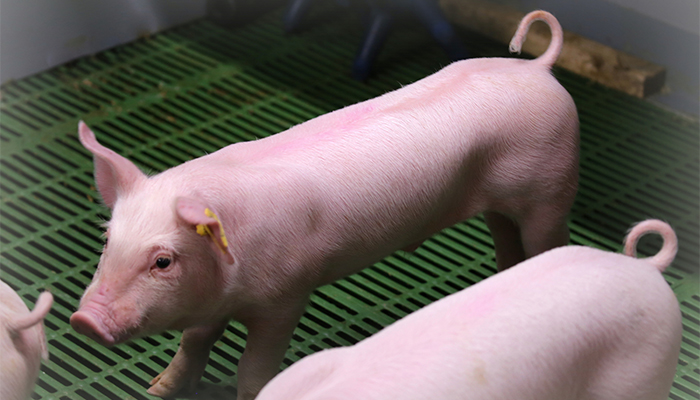
Roundworm remains a problem on Irish pig farms despite routine treatment, with liver inspections revealing signs of infection across herds examined in summer 2026.
Results from more than 30 herds showed characteristic milk spot lesions in 20% of livers examined, according to Teagasc contributor Emer McCrum. A recent study estimated that infection costs €5–€8 per pig, through poorer feed conversion and lean meat content and greater susceptibility to respiratory pathogens.
Breeding animals can maintain infection by contaminating the environment and exposing younger pigs. Faecal egg counts can help establish infection levels in growers and guide treatment, while reducing the risk of resistance. Producers should consult their vet about their unit’s needs; treatment of growers may be reduced or eventually eliminated once the sow herd is effectively controlled.
Medication alone is not enough: worm eggs can survive for years. All-in-all-out housing, thorough removal of organic matter, washing, disinfection, drying and ideally resting houses between batches offer the best approach. Pay particular attention to pen corners, feeders and drinkers. Washing alone will not kill eggs, and disinfectants work poorly without thorough cleaning. McCrum also recommends rotating disinfectants every six months, managing manure and controlling flies and rodents.