Irish economy resilient but faces inflation and housing hurdles
The Central Bank’s latest Quarterly Bulletin reveals steady growth despite soaring inflation driven by global trade tensions and energy costs. Structural shifts in the labour market and delayed housing projects now threaten to slow progress across key sectors.
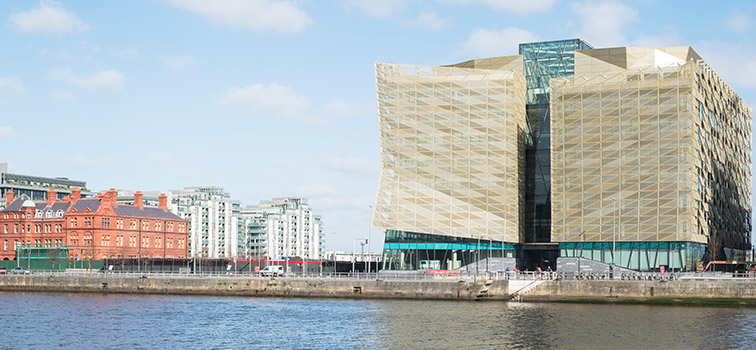
The Central Bank of Ireland today published its third Quarterly Bulletin of 2026, highlighting a complex economic landscape shaped by persistent trade tensions and record-breaking summer droughts across Europe. These pressures have exacerbated food production and transport costs, pushing inflation higher while structural changes in the labour market—including technological adoption, an ageing population and net inward migration—continue to reshape employment dynamics. Robert Kelly, Director of Economics and Statistics, emphasised the economy’s resilience to date but warned that sustained growth now demands careful policy choices and long-term planning to curb inflation, reduce unemployment and strengthen public finances.
Despite these challenges, the economy expanded by 4.7 per cent last year, with real modified Gross National Income (GNI*) rising by €89 billion between 2019 and 2025. This growth has translated into higher employment, increased household incomes and greater government revenue. A notable driver has been substantial investment by multinational enterprises, particularly in AI-related and data-centre infrastructure, which has boosted domestic demand. Employment is projected to grow by 1.2 per cent this year, with net inward migration remaining a critical source of labour supply through 2028.
Housing completions have more than doubled since 2017, yet persistent delays in planning and infrastructure bottlenecks threaten to slow further progress. The average time from planning application to completion now stands at four years—double the duration of a decade ago—underscoring the urgent need for reforms in the Accelerating Infrastructure and Action Plan. Meanwhile, inflation remains elevated, fuelled by rising energy prices linked to geopolitical instability. The Central Bank advises strict adherence to expenditure ceilings in the forthcoming budget to avoid exacerbating inflationary pressures, while targeted measures can protect vulnerable households from energy cost volatility.