Five ways Irish farmers can protect waterways this autumn
Teagasc has outlined five essential guidelines for agricultural producers aiming to optimise nutrient use and safeguard water quality ahead of approaching winter deadlines. The advisory highlights crucial measures surrounding slurry application, chemical fertilisers, buffer zones, lime management, and farmyard drainage.
Irish agriculture enters a vital transition period as impending autumn deadlines for chemical fertilisers and slurry applications draw near. The Teagasc Better Farming for Water Campaign has issued a timely advisory to help agricultural producers across the country balance productivity with environmental protection. With slurry closed periods and nitrogen restrictions imminent, careful land management over the coming weeks will play a definitive role in preserving local aquatic ecosystems.
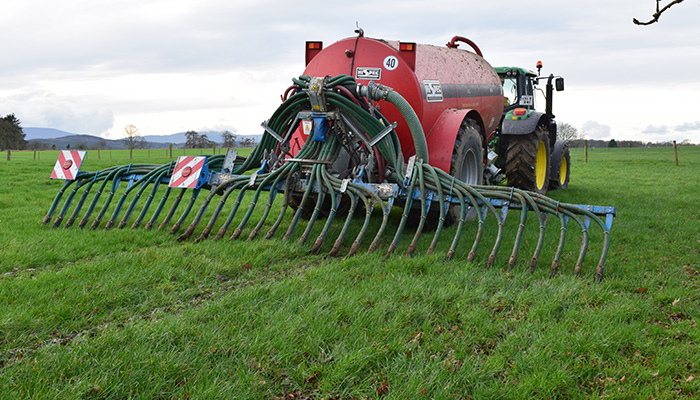
Producers are encouraged to target remaining organic manures towards low-index soils and silage ground using Low Emission Slurry Spreading equipment to maximise efficiency. Strict adherence to buffer zones and weather forecasts remains essential to prevent surface runoff into local streams and rivers. Furthermore, correcting soil acidity through targeted lime applications can significantly enhance nutrient availability, while autumn rainfall makes it an opportune moment to inspect farmyards and ensure clean roof water is properly diverted away from storage facilities.
Adopting these straightforward, practical measures allows holdings to reduce environmental risks while making the most of valuable on-farm nutrients. Detailed guidance and further information regarding sustainable farming practices are available on the official website.