Irish straw could reshape fresh food packaging
Teagasc scientists are exploring how wheat and oat stalks can be turned into compostable films for fruit and vegetables. The Ashtown work aims to cut plastic waste, support farmers and build a home-grown circular bioeconomy.
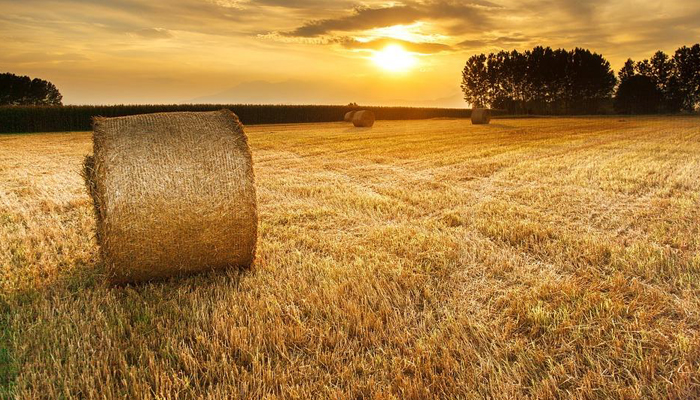
Irish shoppers see the problem every week: fresh fruit and vegetables protected by plastic that is often used once and thrown away. Research at Teagasc Ashtown suggests part of the answer may already be growing in Irish fields: cereal straw.
The Department of Agriculture, Food and the Marine-funded SUSTAINPACK+ project is examining how wheat and oat straw can be converted into sustainable packaging. Straw contains cellulose and lignin, two natural biopolymers that can add strength, UV protection and resistance to spoilage.
Senior Research Officer Shivani Pathania said ordinary farm residue could become a practical climate solution. “Instead of relying on imported bioplastics, Ireland could use its own agricultural by-products to create packaging solutions that are both sustainable and economically viable,” she said.
The need is clear. Eurostat data published in 2025 showed the EU generated 79.7Mt of packaging waste in 2023, or 177.8kg per person. Each resident produced an average of 35.3kg of plastic packaging waste, with only 14.8kg recycled.
In lab tests, cellulose is processed into nanocellulose and blended with biodegradable plastics such as PLA or PCL, while lignin helps protect delicate produce including strawberries, raspberries and cherries. Early results indicate straw-based films can manage oxygen and moisture well during storage and transport.
Further work is needed on production, machine runnability, strength, biodegradability, industry testing and regulatory approval before supermarket use.