Climate change could make Ireland a protein crop powerhouse
New research suggests Ireland could emerge as a leading producer of high-protein crops as the climate shifts across Europe. The study, led by a UCC scholar and funded by the U-Protein project, models suitability for eight crops out to 2080.
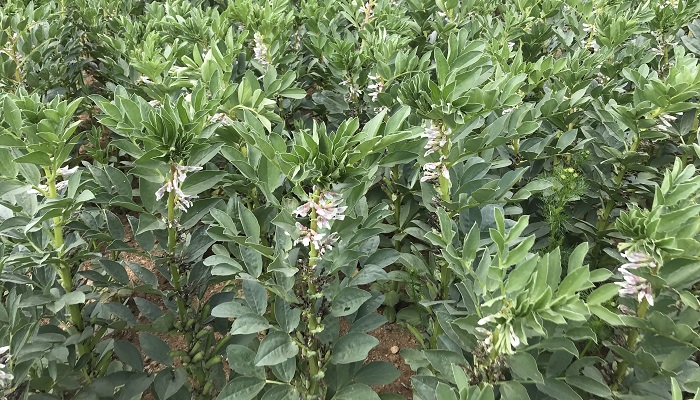
Ireland could become a major contributor to Europe's push for greater food security and sustainable farming, and new research suggests the shifting climate may be the catalyst. The study, led by Walsh Scholar Talia Huffe and funded by the U-Protein project, used climate-based suitability models to assess high-protein crop cultivation across Europe under scenarios extending to 2080. Its researchers, from University College Cork and Teagasc, found that climate change is already reshaping where these crops can be grown, opening significant new opportunities for countries such as Ireland.
The team assessed eight economically important crops: peas, faba beans, soybeans, lupins, oats, quinoa and perennial ryegrass. The results show that while some crops will lose suitable land, others will gain. Faba beans, peas and lupins generally show substantial increases in suitability across Europe, while quinoa and perennial ryegrass decline in some areas. Soybean suitability remains mixed, and oats stay relatively stable.
One of the most striking findings is that Ireland shows high suitability for protein crop expansion, despite currently producing relatively low levels of most of them. For Irish farmers, crops such as peas, faba beans and lupins may become increasingly attractive options as conditions evolve, offering a way to diversify production and support Europe's protein self-sufficiency goals.
The case for these crops extends beyond the farm gate. Many are legumes that fix atmospheric nitrogen, reducing the need for synthetic fertilisers and cutting agricultural greenhouse gas emissions, while also improving soil health and boosting productivity in crop rotations. The EU currently imports around 66% of its high-protein feed, much of it from South America, and protein crops occupy only about 4% of its agricultural area.
The findings are published in the journal Regional Environmental Change.