Sheep farmers advised to protect flock performance before mating
Following a challenging summer drought, experts urge Irish sheep producers to prioritise culling and nutrition. Farmers must ensure ewes reach optimal body condition scores before the upcoming mating season.
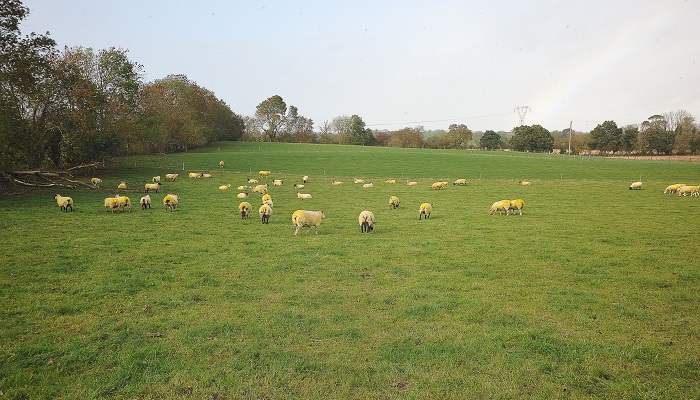
After a difficult summer, Teagasc Sheep Specialist Ciaran Lynch outlines three essential steps for farmers to safeguard flock performance. With dry conditions forcing many producers to rely on conserved forages, ensuring ewes are fit for breeding is now a top priority.
A three-fold approach is required as the mating start date draws near for most March-lambing flocks. First, a thorough examination of the breeding flock is necessary to cull any passengers, such as ewes with poor mothering ability, lameness, or dental issues. Removing these problem animals allows limited grass and forage resources to target the more productive members of the herd.
Second, body condition score must be assessed with priority given to thinner ewes at a score of 2.5 or below. The goal is to reach approximately BCS 3.5 at mating, which may require gaining around 10 kg liveweight for some animals through grazing or supplemented feeds. Finally, the level of intervention should be decided based on current ewe condition and forage quality, with high-quality silage offering marginal gains while low-quality options may require additional concentrate supplementation.
For detailed guidance on formulating diets during periods of grass restriction, farmers are encouraged to contact their Teagasc advisor.