Teagasc research takes centre stage on RTÉ
A television programme airing tonight examines new approaches to agriculture, from satellite-guided machinery to finding uses for surplus vegetables. It also follows an Irish-led initiative connecting farmers across Europe to exchange ideas that support biodiversity.
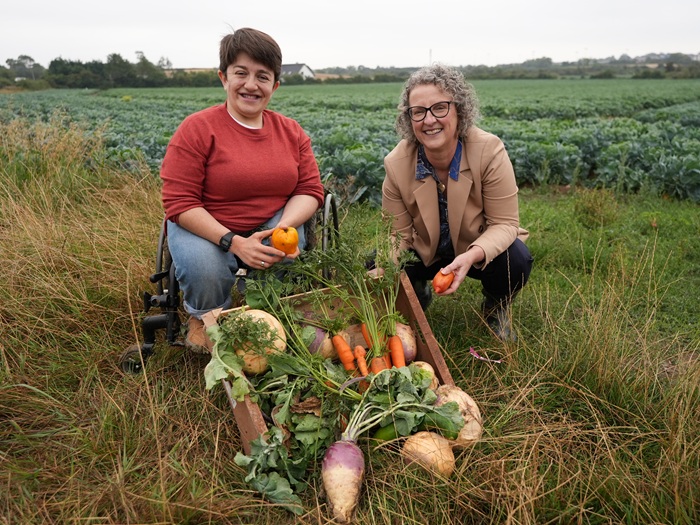
GPS technology, nature-friendly farming and new uses for rejected vegetables will feature in tonight’s episode of 10 Things to Know About… on RTÉ One, Wednesday, 11 November.
The programme examines generational renewal in Irish farming, including how GPS and research into everyday farm tasks could help an ageing workforce manage its workload more effectively. Presenter Fergus McAuliffe meets Teagasc’s Conor Hogan and Teagasc Walsh Scholar Neil O’Leary.
Hogan, People in Dairy Programme Manager at Teagasc, said: “If we want to secure the future of Irish dairy farming, we must ensure it is attractive and a career of choice for the next generation. Reducing workload, improving how work is organised and embracing smarter ways of farming are essential to achieving this. Measuring and understanding farm labour is a key step towards building more attractive farms and supporting generational renewal.”
The episode also looks at FarmBioNet, a Teagasc-led project connecting Irish farmers with counterparts in 13 European countries to exchange practical ideas for protecting biodiversity. Presenter Kathriona Devereux meets project manager Meritxell Grau Butinay to learn how the network works.
“FarmBioNet is about farmers learning from one another. Through national networks and a wider European network, we bring farmers together to share biodiversity-friendly practices,” Grau Butinay said. “Peer-to-peer learning lets them see firsthand what other members have adopted and discuss how it could be adapted to their own land.”
A further segment follows the ROSETTA project, which is investigating ways to turn rejected fruit and vegetables into food, including pasta, pesto and chocolate ganache made using carrots that might otherwise be left behind.
Maeve Henchion, a principal research officer at Teagasc, said: “Viewers will see how supermarket standards can leave edible vegetables behind, and how research can find new uses for them. We explored making more of each crop, such as using carrot pulp in bread and pasta and leaves in pesto. We also looked at how consumers respond to these foods, highlighting the importance of combining appealing products with well-planned communication.”