Teagasc expert shares autumn fodder and calf management advice
Pearse Kelly, Head of Drystock Knowledge Transfer at Teagasc, has issued urgent seasonal guidance for beef and suckler farmers facing post-drought fodder deficits and critical autumn growth windows. His advice covers grass cover rebuilding, soil fertility correction, silage testing for the Beef Welfare Scheme, dairy-bred calf nutrition, and targeted replacement heifer development ahead of the 2027 breeding season.
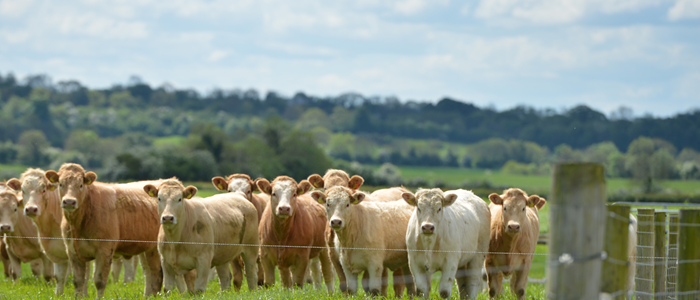
With autumn now under way, farmers across Ireland are urged to prioritise grass cover rebuilding during September to secure grazing into October and November — weather and ground conditions permitting. Nitrogen and phosphorus fertiliser applications must be completed by 15 September, though lime and potassium applications remain permissible beyond that date to address common deficiencies such as low soil pH and suboptimal K levels, both of which directly affect future grass yield and nitrogen-use efficiency.
Fodder shortages remain a pressing concern following recent drought conditions and heavy conserved forage use; those anticipating a winter deficit are advised to complete a realistic fodder budget without delay, factoring in the possibility of a late spring in 2027. Silage analysis is essential before finalising winter feeding plans — particularly for participants in the 2026 Beef Welfare Scheme, which closes for applications on 23 September 2026 and offers €25 per eligible calf (up to 45 calves) for forage testing. Laboratories provide competitive pricing for multiple samples, and results should inform tailored, cost-effective rations developed in consultation with an advisor or nutritionist.
Dairy-bred calves born this spring require careful nutritional and health management: supplementary feeding of 1.5 kg of meal per day is recommended where grass is abundant but energy-poor, and ongoing parasite control plus timely pneumonia vaccination — ideally while calves are still at grass — is strongly advised. Meanwhile, spring-born replacement heifers must be weighed and monitored closely from September through April to ensure they reach 400–420 kg (or 60% of mature weight) by breeding onset; consistent, targeted nutrition and housing will support calving at two years of age, enhancing long-term herd profitability and longevity. Further guidance is available via Teagasc’s Beef Edge podcast, presented by Catherine Egan, and through the DairyBeef 500 and Future Beef Programme newsletters.