Rising costs squeeze tillage farmers as spring barley planning tightens
Spring barley growing costs have climbed by over 40 per cent since 2021, placing mounting strain on tillage producers across the country. Teagasc crops specialist Ciaran Collins urges growers to plan finances carefully, as nearly half the 2027 tillage area is already sown.
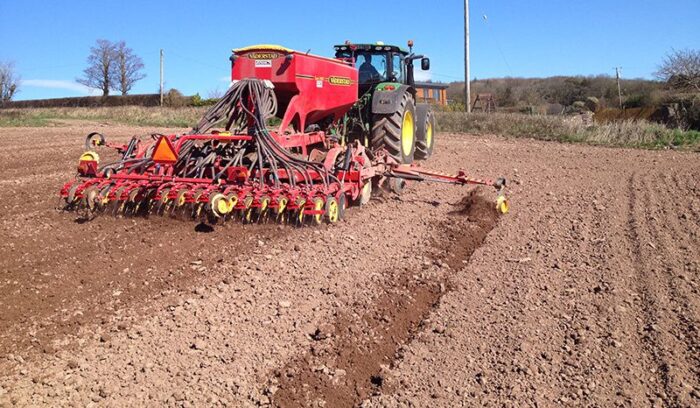
The cost of growing spring barley has risen by more than 40% since 2021, with fertiliser and machinery leading the increase. Costs have climbed across every input, adding pressure on tillage farmers. Teagasc crops specialist Ciaran Collins says careful planning for the season ahead is now essential to manage cash flow.
In Teagasc's 2021 Costs and Returns figures, CAN+S was priced at €235/t. For 2027, it is projected to exceed €500/t. With so little margin for error, Collins says there is no room for a poor crop.
Almost half of the 2027 tillage area is already sown, and once crops are planted, costs are committed. Very little land is typically left fallow, so most ground will be cropped. Farmers must now plan how to fund the season.
The difference is stark. In 2021, €50,000 would have covered 122 acres of spring barley. On current projections for 2027, the same sum covers just 86 acres, about 30% less. Unlike beef farmers, who can choose to buy fewer cattle, tillage farmers who want to sow the same area must find the extra capital, creating significant cash flow pressure.
Teagasc advises farmers to approach their bank and agri merchant early. Seasonal or stocking loans are generally the cheapest finance, while some merchants offer fertiliser deals and flexible payment terms. Paying up front can secure a better price, though merchant credit can be costly. A cash flow budget can help farmers judge how much working capital they need and when.
Farmers can use Teagasc Crops Costs and Returns figures, or preferably their own records, to estimate the finance required, then secure sources starting with the cheapest.
Teagasc advisors will host Money Matters financial workshops in the coming weeks. The sessions will cover understanding farm accounts and preparing a cash flow budget for the coming season. A second part will focus on machinery costs, with participants using the Teagasc machinery costs calculator to estimate costs, calculate cash requirements, and assess how machinery changes affect cash flow.
- Details are available from your local Teagasc tillage advisor.
- Places on the Money Matters course can be requested through the official Teagasc website.