Maximising grass finishing for dairy-beef cattle this autumn
DairyBeef 500 advisor Fergal Maguire outlines strategic methods for finishing cattle on pasture before the winter housing period. This approach helps farmers reduce silage dependency while optimising shed capacity and improving overall economic efficiency.
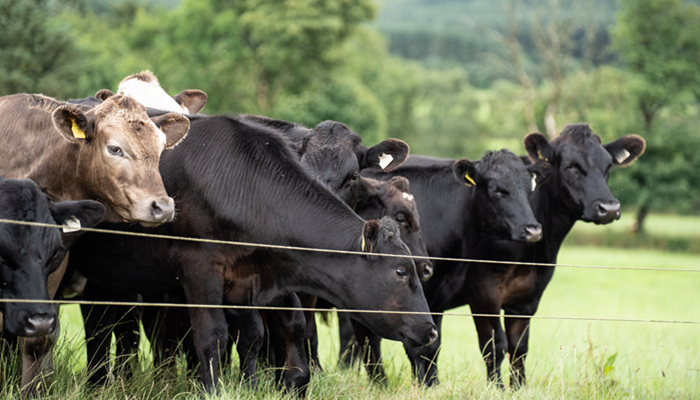
As the grazing season draws to a close, farmers are encouraged to evaluate their dairy-bred stock to identify animals suitable for finishing at grass. Prioritising heifers and early-maturing steers for this final phase can significantly lower winter feed requirements and alleviate space constraints in sheds. While grass growth naturally slows during the autumn, it remains a highly cost-effective feed source compared to conserved silage or intensive concentrate feeding.
Effective management requires a balanced approach to supplementation, with concentrate feeding designed to complement rather than replace high-quality pasture. Advisors recommend offering approximately 0.75 kg of concentrate per 100 kg of live weight for steers on good grass, potentially increasing this to 1 kg if forage quality is moderate. It is essential to utilise high-energy concentrates with at least 0.92 UFV/kg DM and 11–12% crude protein. For those feeding more than 4 kg daily, splitting the ration into morning and evening feeds is advised to ensure optimal digestion and performance.
Precision in selection is paramount; cattle should ideally be within 60–80 kg of their target slaughter weight before supplementation commences. Producers are urged to weigh and handle stock regularly, drafting individuals for sale as they reach the correct fat cover rather than waiting for the entire group. Furthermore, health and safety remain critical when feeding in fields; farmers should utilise equipment like meal auger buckets or fenced-off troughs to minimise direct contact with livestock. Further guidance on these techniques is available on the official Teagasc website.