Expert guidance for optimal ram breeding success
Teagasc advisor Eamonn Dempsey highlights how strategic pre-mating preparation drives flock profitability. He recommends rigorous culling and body condition management to maximise ovulation rates before the season begins.
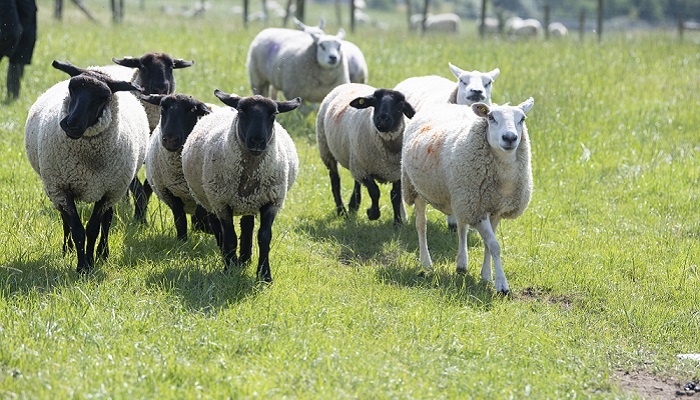
Ewe productivity directly influences farm profitability, and Teagasc Advisor Eamonn Dempsey in Tralee advises farmers to prioritise improving flock weight and condition ahead of the breeding season. After reviewing the previous season's performance, producers should establish a clear breeding policy to ensure sufficient ewes are mated to appropriate replacement or terminal rams. The optimal time for health assessments is after weaning, ideally ten weeks before mating, where rigorous culling for issues such as lameness, poor teeth, or reproductive problems is essential to avoid carrying non-productive animals into the new production year.
Body condition scoring, assessed on a scale of one to five, is critical because higher scores at mating correlate with increased ovulation rates and larger lambing crops. Target scores are 3.5 for lowland ewes and 3.0 for hill ewes, with each unit change representing approximately 12% to 15% of body weight. Since gaining one body condition point requires six to eight weeks of good feed, thin ewes should access superior pastures of six to eight centimetres. Those failing to improve after ten weeks of preferential treatment should be culled, while lame sheep must be isolated and foot bathed every five days until cured.
If more than 2% of ewes abort or fail to lamb, an infection is likely, and samples should be sent to a laboratory for analysis. Once the cause is identified, a preventative vaccination programme against Enzootic and Toxoplasmosis abortion should be discussed with a veterinary surgeon. Purchased ewes or replacement lambs must be quarantined in a separate flock to contain infection risks. For farmers breeding their own ewe lambs, replacements should weigh at least 45kg at joining and be mated one to two weeks after the main flock to facilitate cross-fostering opportunities in spring.