Drought deepens winter fodder worries for South East farms
A critical shortage of winter feed threatens South East farmers amid severe drought conditions. Data reveals 31% of region's farms face significant fodder deficits, demanding urgent action to avoid livestock shortages.
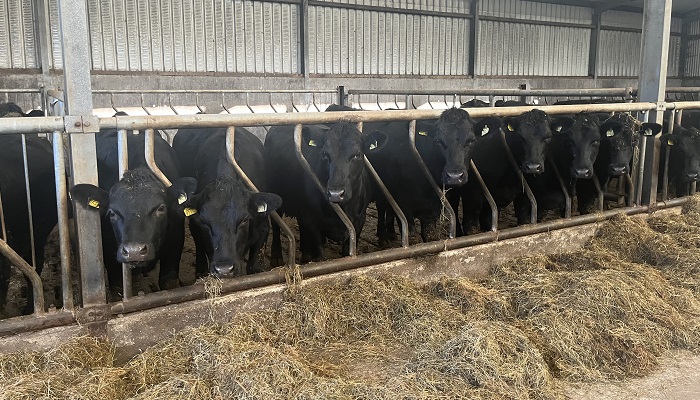
A national fodder survey has exposed alarming winter feed shortages across Ireland's South East, with drought conditions intensifying risks for livestock farmers. The Teagasc National Fodder and Food Security Committee convened on 21 August to address the crisis, revealing that 31% of farms in the region report critical fodder deficits. Minister for Agriculture Martin Heydon underscored the urgency as data shows 12% of all farms nationwide face severe shortages while 19% remain at high risk.
The survey, conducted after failed second silage cuts, indicates only 42% of farms nationally have adequate winter feed supplies. South East farms report heavier supplementary feeding during July and August due to grass shortages, with dairy operations showing 12% having shortages exceeding 20%. Michael O'Donovan of Teagasc Grassland Science warns of a '140-day average feed supply' but stresses 'the range is quite large' requiring individual farm assessments. Tom Curran, Head of Advisory Services, confirmed 'challenges exist across drystock and dairy farms alike' and urged immediate action to improve supply or reduce demand.
Teagasc advisors recommend reviewing PastureBase Ireland budgets, optimising autumn rotation lengths, and planning fertiliser applications to capitalise on rain. Joe Patton, Teagasc Survey Co-Ordinator, stressed the need for 'all farms to complete a budget and update their situation in good time'. Farmers are advised to contact their local Teagasc advisor for guidance, with detailed presentations available at teagasc.ie/fodder. The committee's next meeting will monitor evolving conditions as the drought persists.