Citizens Assembly inspired architecture exhibit arrives in Galway
A multi-sensory architectural installation reflecting Ireland's Citizens' Assembly will debut at the University of Galway during the International Arts Festival. This national tour highlights Irish design following a prestigious appearance at the Venice Biennale earlier this year.
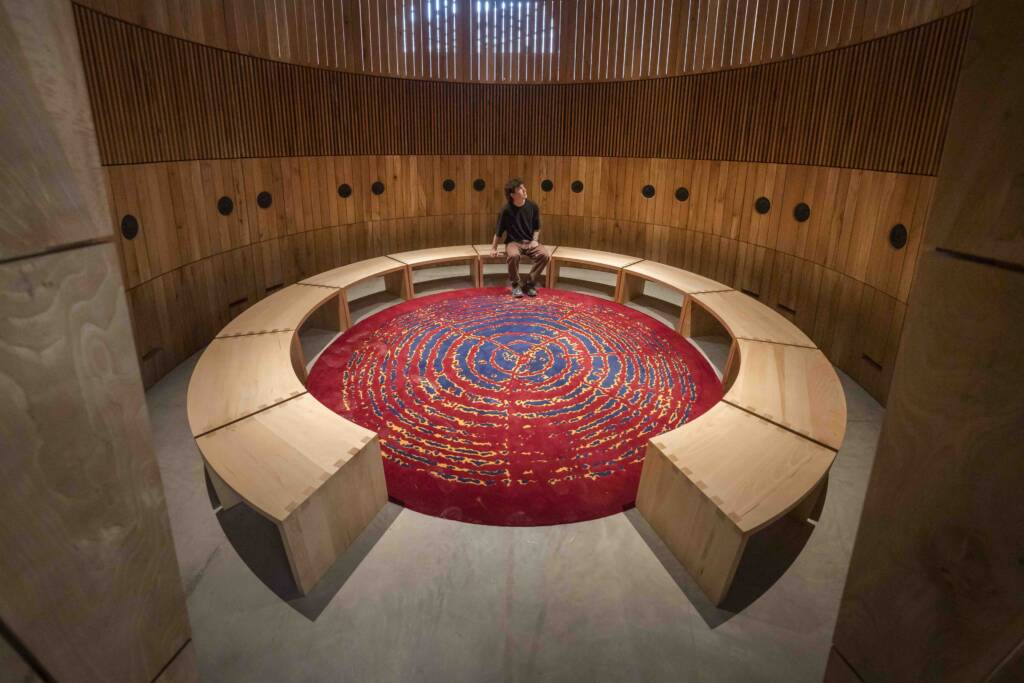
Architecture Exhibit Inspired by Ireland’s Citizens’ Assembly Arrives in Galway
The Arts Council is delighted to announce that a large-scale, multi-sensory architecture exhibit titled 'Assembly' will feature prominently at this year's Galway International Arts Festival. As part of a broader national tour designed to promote Irish architecture, the installation invites the public to congregate and consider matters of collective concern.
Originally commissioned by Culture Ireland in partnership with the Arts Council, the project was curated by Cotter and Naessens Architects. The creative team includes architects Louise Cotter and David Naessans, alongside multidisciplinary artist Michelle Delea, woodworker Alan Meredith, curator Luke Naessans, and sound artist David Stalling. The exhibit previously represented Ireland at the International Architecture Exhibition at the Venice Biennale in 2025.
Crafted from Irish beech wood with a Ceadogán rug at its centre, 'Assembly' is a multi-sensory installation featuring a unique soundscape that layers human voices, natural sounds, and mechanical effects. The presentation at Galway serves as the second stop on its national tour, following an exhibition at the Cork Midsummer Festival and preceding its installation at Busáras in Dublin for Ireland's Presidency of the Council of the European Union in October.
Visitors can explore the exhibit at the O'Donoghue Theatre in the University of Galway from 11am to 6pm during the festival week, with extended hours until 8pm from Thursday to Sunday. The event will also host 'Assembly Conversations' on 14 July at 12.30pm, chaired by award-winning Irish architect and academic Dr John McLaughlin, offering a deeper reflection on the architectures of dialogue and assembly.